Introduction
In today's hectic world, the capability to respond quickly and effectively in emergency situations can be a video game changer. With crashes occurring daily, having the abilities to provide emergency treatment or carry out CPR (Cardiopulmonary Resuscitation) is invaluable. Yet is registering in an emergency treatment and mouth-to-mouth resuscitation program genuinely worth it? Besides, time and sources are valuable commodities.
In this short article, we dig deep right into the experiences of our pupils that have taken these important training courses. They share understandings about their inspirations for enrolling, what they discovered, and exactly how it altered their outlook on emergency situations. By discovering their direct accounts together with research-backed information, we'll address the burning question: Is a First Aid and Mouth-to-mouth Resuscitation Course Well Worth It? Below's What Our Pupils Say.
The Significance of First Aid Training
Why Must You Consider an Emergency Treatment Course?
First aid training furnishes people with the understanding and skills required to give prompt support throughout medical emergencies. Whether it's treating small injuries like cuts and contusions or handling serious circumstances such as cardiac arrests, a first aid course empowers you to act decisively when every second counts.
Benefits of Taking an Emergency Treatment Course
Taking an emergency treatment course uses numerous benefits:
Life-Saving Skills: The most significant benefit is unquestionably the ability to conserve lives. Confidence Boost: With expertise comes confidence; students feel even more prepared to handle emergencies. Community Impact: Educated individuals can contribute positively to their neighborhoods by supplying help when needed. Career Advancement: Several careers require emergency treatment certification, making it a property for job seekers. Personal Safety: Knowing just how to manage mishaps or wellness concerns in the house ensures safety for household members.Understanding mouth-to-mouth resuscitation: A Crucial Skill
What Exactly is CPR?
CPR means Cardiopulmonary Resuscitation; it's an emergency situation procedure carried out when a person's heart beat or breathing has stopped. This method entails upper body compressions combined with fabricated air flow (mouth-to-mouth), which helps keep blood flow and oxygenation until specialist clinical aid arrives.
Types of CPR Courses Available
When looking into mouth-to-mouth resuscitation programs, you'll find numerous kinds tailored for different target markets:
- Basic Life Support (BLS): Suitable for medical care providers. Heartsaver CPR: Developed for laypeople without medical training. Pediatric CPR: Focused on techniques suitable to children and infants.
Is Learning mouth-to-mouth resuscitation Difficult? A Student's Perspective
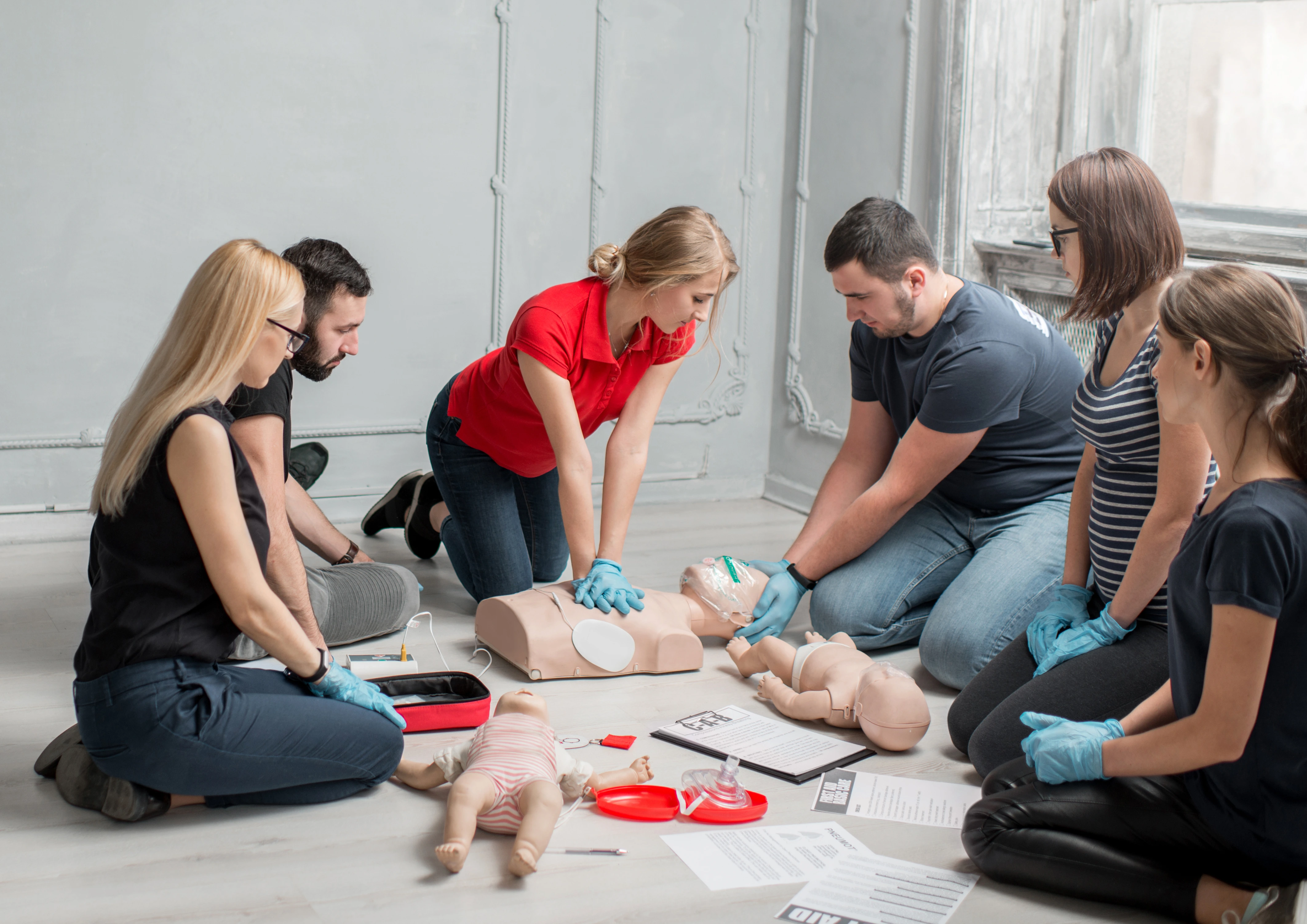
Many students share concern concerning whether discovering CPR will be tough. Generally talking, while it calls for method and understanding of certain techniques, many people locate that hands-on training makes it easier to understand essential concepts.

First Help Certification: An Essential Credential
Why Acquire a First Aid Certificate?
A first aid certification represents HLTAID012 First Aid workshops nearby that you've obtained formal training in offering aid during emergencies. It works as proof of your capability in taking care of critical situations securely and effectively.
How Long Does Qualification Last?
Typically, first aid certifications continue to be valid for 2 years before requiring renewal through First Aid Courses Near Me re-training or correspondence course. This plan makes sure that people remain upgraded on current practices and techniques in emergency situation response.
Student Experiences: What Do They Say About Their Training?
Real Stories from Our Graduates
Our trainees have shared effective reviews reflecting their trips via first aid and mouth-to-mouth resuscitation courses:
"I never ever assumed I would certainly require this training until my kid choked someday at dinner."
"After taking the course, I felt like I could deal with any kind of scenario that came my means."
"The hands-on method made all the difference; I truly feel prepared now."
"I took this course due to the fact that my job needed it but ended up obtaining so much more."
"There's something extremely equipping about knowing you can aid someone in distress."
"I went into it unconvinced but left recognizing I can conserve lives."
Is an Emergency treatment and Mouth-to-mouth Resuscitation Program Well Worth It? Right here's What Our Trainees Say
Taking into account our trainees' responses exposes constant styles regarding their experiences with first aid and CPR programs:
Many trainees highlight enhanced self-confidence post-training. The practical parts are commonly highlighted as particularly beneficial. Graduates regularly mention feeling geared up to deal with real-life emergencies immediately after finishing their courses. The emotional satisfaction derived from being able to assist others is consistently pointed out as an indispensable end result of the training.These sentiments jointly affirm that of course, an emergency treatment and CPR course is without a doubt worth it!
Key Takeaways from Trainee Testimonials on First Aid Courses
What Pupils Found out During Their Training
Students report acquiring abilities varying from basic wound treatment techniques to advanced emergency situation response approaches:
- Understanding how to assess an emergency situation promptly Identifying signs and symptoms of cardiovascular disease or strokes Performing reliable upper body compressions Utilizing automated exterior defibrillators (AEDs)
Each facet adds dramatically towards enhancing one's readiness for unforeseen scenarios.
How Training Transformed Their Expectation on Emergencies
Many students expressed that after completing these programs, they no more viewed emergencies as overwhelming yet rather as challenges they might manage properly with the best abilities at hand.
The Duty of Trainers in First Aid Training
Why Top quality Instructors Issue in Emergency Treatment Courses?
The performance of any kind of emergency treatment course greatly depends on its teachers' top quality-- knowledgeable trainers bring real-world circumstances into classrooms, making lessons relatable and engaging.
Attributes of Effective Emergency treatment Instructors
Strong communication skills Ability to streamline complex concepts Engaging teaching methods Empathy in the direction of learners' concernsStudents frequently state their instructors' enthusiasm for the subject added dramatically to their overall experience.
First Aid Courses vs Online Training Programs: Which is Better?
Comparing Traditional Classes with Online Options
While online first aid courses provide versatility in learning at your own rate, standard class setups give direct communication with trainers-- making them excellent for hands-on practice that are essential in mastering life-saving techniques.
Pros & Cons Table of Each Training Method
|Feature|Traditional Programs|Online Courses|| ---------------------------|-----------------------|------------------------|| Hands-On Technique|Yes|No|| Versatility|Limited|High|| Communication|Direct|Online|| Immediate Comments|Yes|Limited|

Based on these variables, many pupils favor registering for traditional classes despite online choices being offered because of their focus on sensible skill development.
FAQs About First Aid and CPR Courses
FAQ 1: For how long does it require to finish an emergency treatment or CPR course?
Most first aid training courses normally range from 4 to 8 hours relying on the deepness of material covered while comprehensive courses might require several days over several weeks leading up toward certification exams if applicable.
FAQ 2: Can anybody take an emergency treatment and CPR course?
Absolutely! These courses are made for any person interested irrespective of prior clinical expertise-- whether you're a parent desiring assurance or someone looking for work calling for training.
FAQ 3: Will I obtain accreditation upon completion?
Yes! Upon completing your coursework successfully together with passing required analyses you will certainly earn both certifications confirming your skills!
FAQ 4: Are there age constraints for participating?
Generally speaking there aren't stringent age restrictions however minors may need parental authorization before signing up specifically if functioning in the direction of obtaining formal certifications.
FAQ 5: What need to I anticipate during hands-on training sessions?
Expect interactive activities where you'll exercise strategies like bandaging injuries performing rescue breathing making use of mannequins and so on, under guidance from qualified instructors!
FAQ 6: Can I renew my certification online?
Many organizations currently offer alternatives allowing existing certificate holders restore existing certifications through online refresher courses although some may still favor face-to-face retraining sessions!
Conclusion
In final thought, investing time right into taking a first aid and mouth-to-mouth resuscitation training course is not just an instructional undertaking; it's an essential step toward personal growth while outfitting oneself with life-saving abilities essential today especially given unforeseeable nature surrounding us daily!
With numerous success stories arising from honored graduates who have actually transformed dilemmas right into possibilities via appropriate action-- it comes to be clear why many resemble similar views when asked if pursuing such programs verifies worthwhile!
So if you're still questioning whether "Is an Emergency Treatment and Mouth-to-mouth Resuscitation Training Course Worth It?" remember what our students claim loudest-- it definitely is!